One belongs to an $8 trillion Wall Street bank. The other to a data company that powers every major league on Earth. Both ran tens of thousands of simulations. Both landed on the same champion.
How Goldman Sachs Built the Model
This isn't some analyst's side project. Goldman's economics research team built a Poisson-distribution statistical model on a foundation of nearly 20,000 international matches dating back to 1978. They then ran 50,000 Monte Carlo simulations — randomized statistical trials that account for every variable they could think of.
The core engine is Elo ratings, a dynamic ranking system originally developed for chess. Spain's Elo score is currently in another stratosphere — 52 points ahead of Argentina and 84 points ahead of France.
But raw ratings aren't enough. Goldman added four correction factors:
- Attacking talent: Number of top-50 scorers from Europe's big five leagues on each roster
- Team momentum: Performance across the last 10 competitive matches
- Psychological factors: Including the documented "defending champion curse" — no team has repeated as World Cup champion since 1978
- Geography & environment: Altitude in Mexico City, heat and humidity in southern venues — all quantified for their impact on goal-scoring rates
The Goldman Sachs Results
| Rank | Team | Probability |
|---|---|---|
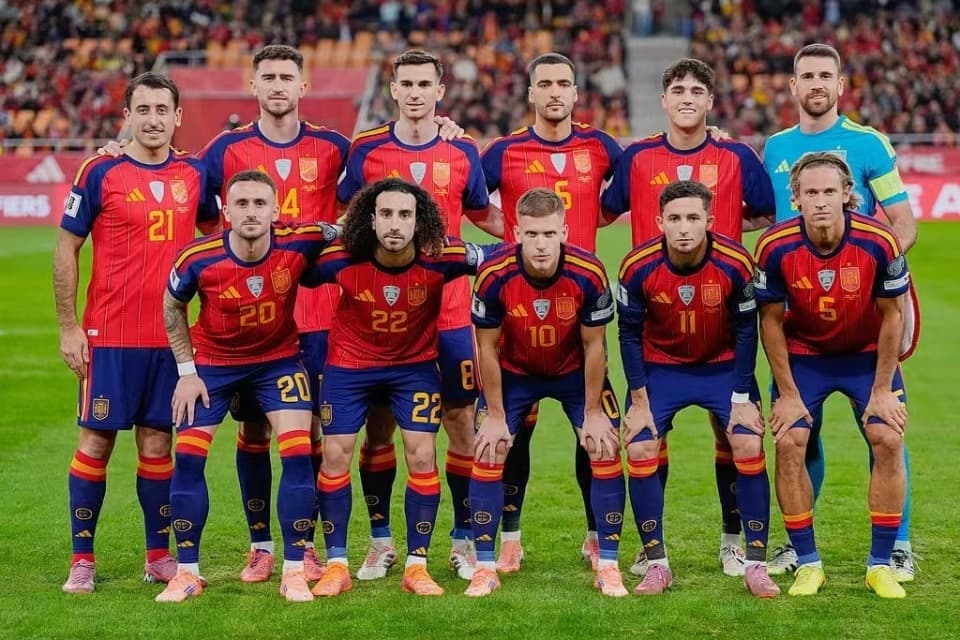
| 1 | 🇪🇸 Spain | 26% |
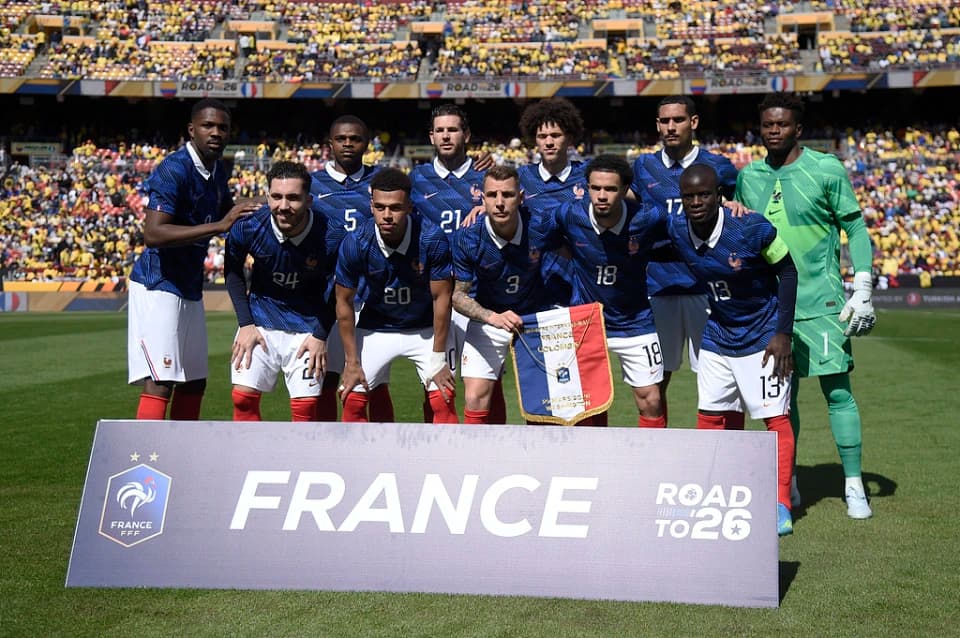
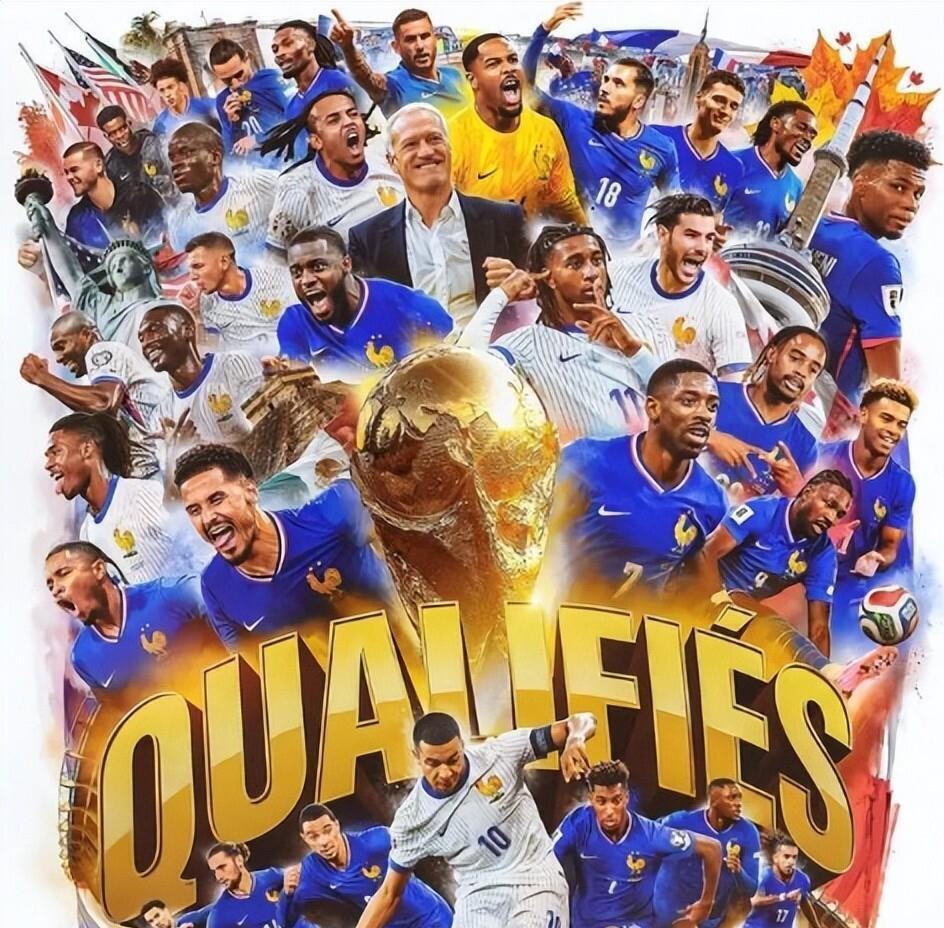
| 2 | 🇫🇷 France | 19% |
| 3 | 🇦🇷 Argentina | 14% |
| 4 | 🇧🇷 Brazil | 8% |
| 5 | 🏴 England | 5% |
Brazil at 8% is the shocker. The model doesn't trust their midfield stability and projects a semifinal exit to Argentina. England at 5% is below expectations for a squad of this caliber — the model specifically calls out the altitude and heat in Mexico City as a "goal-scoring drag" on English performance.
OPTA's 10,000 Simulations: Same Winner, Different Odds
OPTA ran a full 10,000-tournament simulation and arrived at a similar hierarchy — but with notably lower probabilities across the board:
| Rank | Team | Probability |
|---|---|---|
| 1 | 🇪🇸 Spain | 16.1% |
| 2 | 🇫🇷 France | 13.0% |
| 3 | 🏴 England | 11.2% |
| 4 | 🇦🇷 Argentina | 10.4% |
| 5 | 🇵🇹 Portugal | 7.0% |
| 6 | 🇧🇷 Brazil | 6.6% |
OPTA gives England much more credit than Goldman — 11.2% vs 5% — likely because their model is less sensitive to the geographic factors Goldman emphasized. Germany clocks in at 5.1%, dragged down by a lack of elite finishing and a brutal potential Round of 16 matchup against France.
Why Spain? It's Not Just the Talent — It's the Continuity
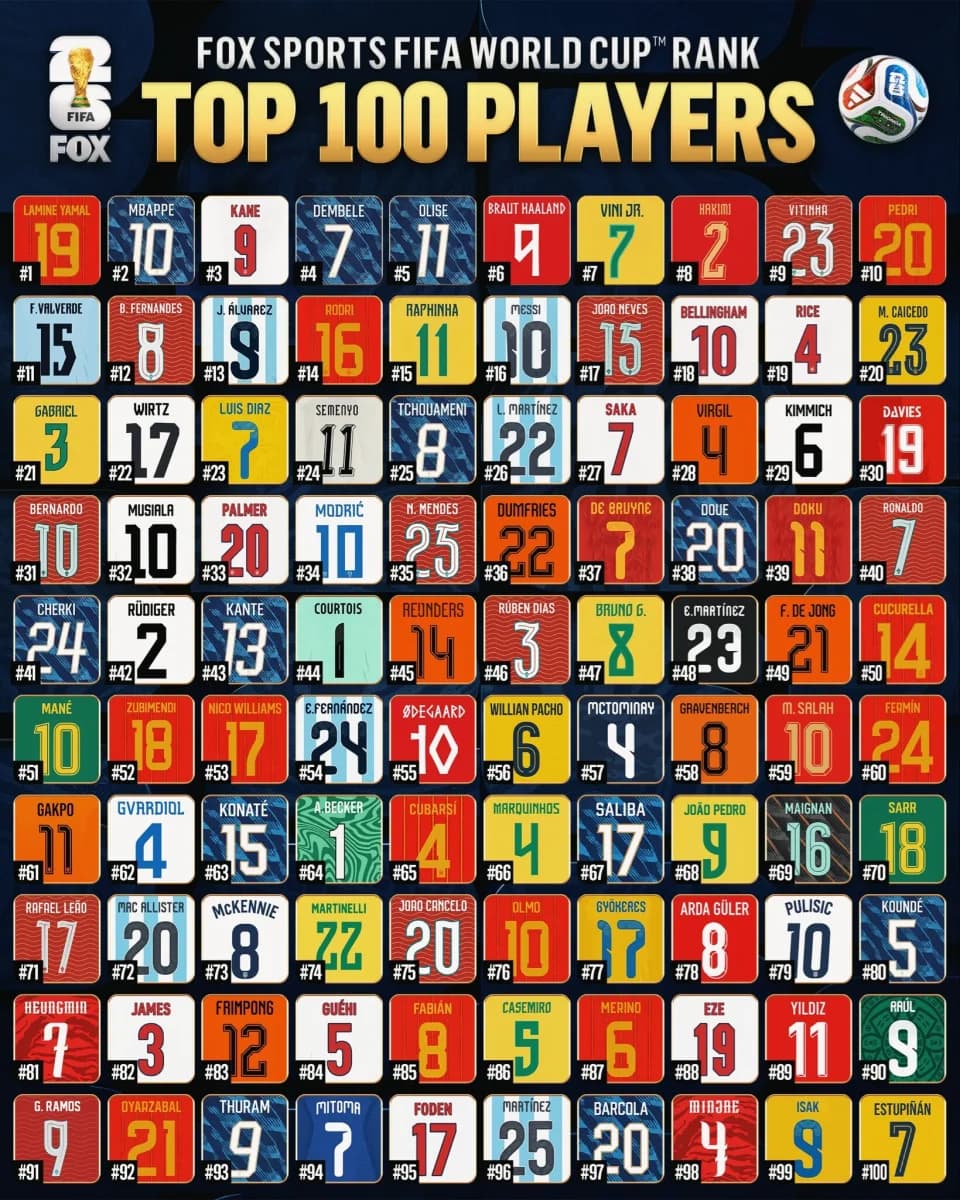
Spain enters the tournament as the 2024 European champion, and here's the key: they've kept basically the same tactical system and core rotation intact. Yamal and Pedri are a year older and better. Rodri is at his absolute peak. The chemistry is already built.
In OPTA's simulations, Spain's quarterfinal qualification probability exceeds 50%. That's absurdly high for a tournament where anything can happen.
The Defending Champion Curse
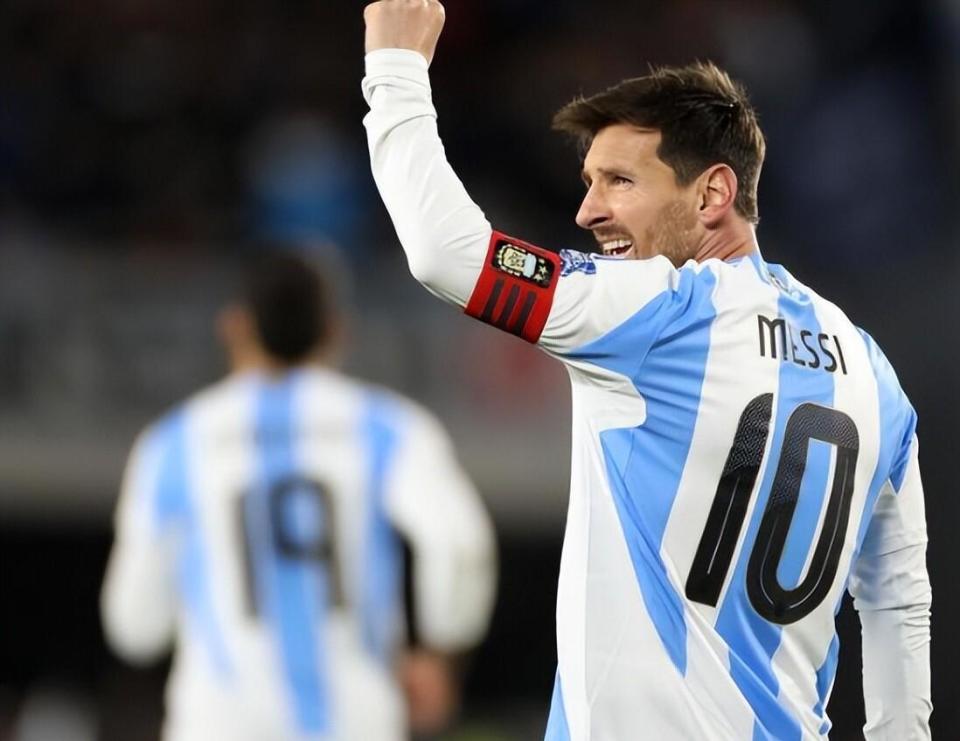
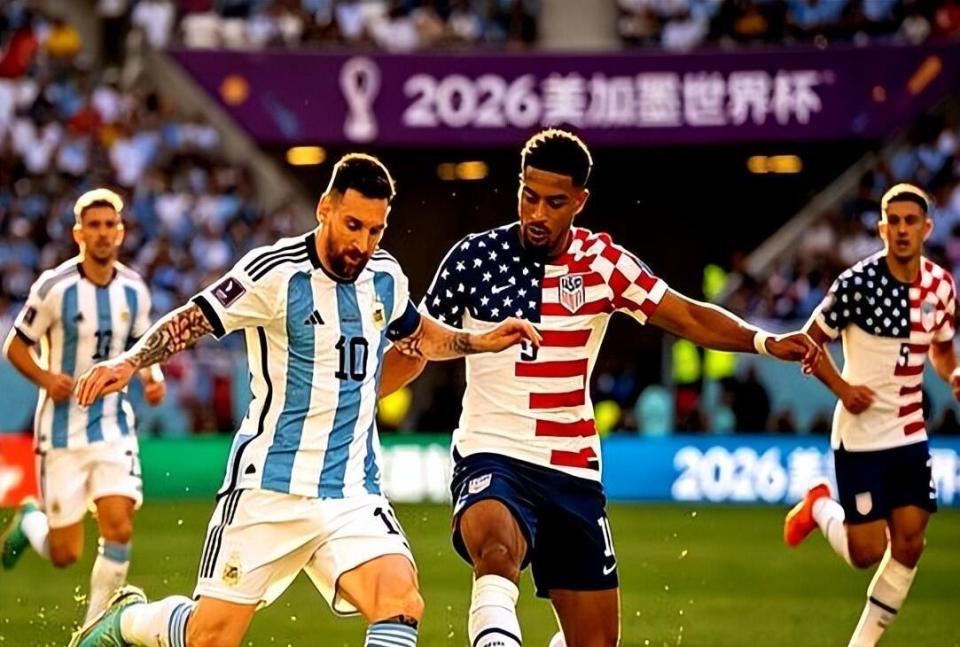
Argentina has Messi. Argentina has the second-highest Elo rating. But Argentina also has the weight of history pressing down on them.
Goldman's report is blunt: no team has successfully defended a World Cup title since 1978. There's also a "continental rotation pattern" in the data — when a South American team wins, the next champion almost always comes from Europe.