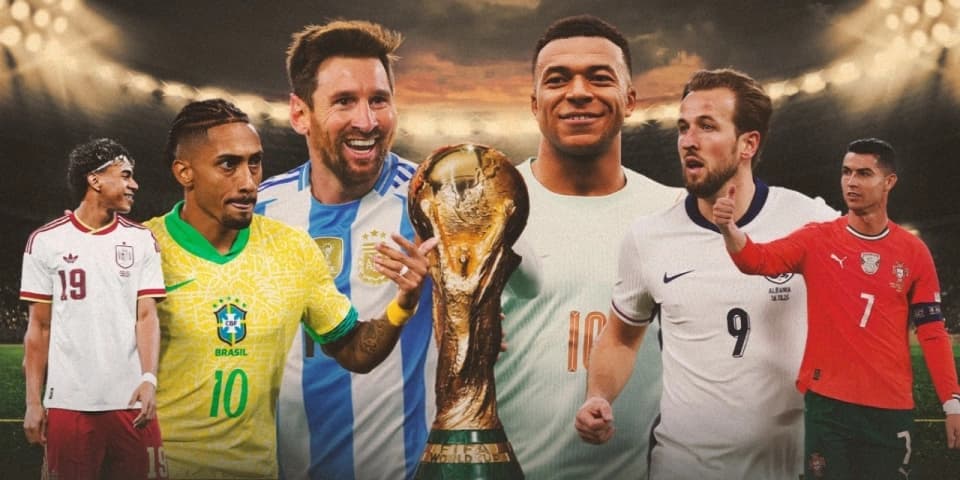
A Supercomputer Just Picked the World Cup Winner — And 5 Teams Have a 0% Chance
With kickoff days away, Opta's supercomputer has run thousands of simulations. Spain leads. The US and Japan share a slim 1.2%. And five teams — including 2022 host Qatar — sit at a literal 0.0% chanc…
Predictions are for entertainment and discussion only — not betting or financial advice. Model outputs can change as squads and form shift.
Key Takeaways
Opta's model gives Spain a 16.1% chance to win World Cup 2026
France (13.0%), England (11.2%), and Argentina (10.4%) follow in the top four
Norway ranks #9 at 3.5% — above Belgium despite a 28-year World Cup absence
USA and Japan are tied at 1.2% as co-host long shots
Five nations — including Qatar — show 0.0% modeled win probability
With kickoff days away, Opta's supercomputer has run thousands of simulations. Spain leads. The US and Japan share a slim 1.2%. And five teams — including 2022 host Qatar — sit at a literal 0.0% chance to lift the trophy.
The Favorites: Spain Takes the Crown (For Now)
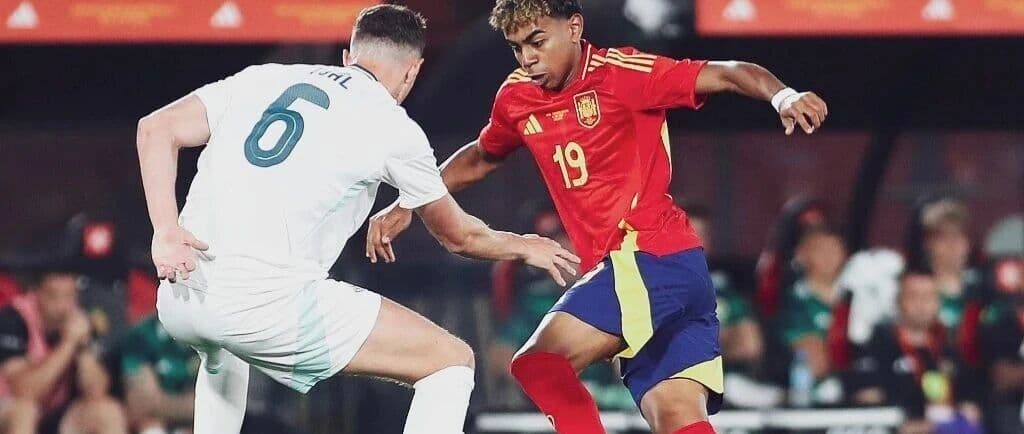
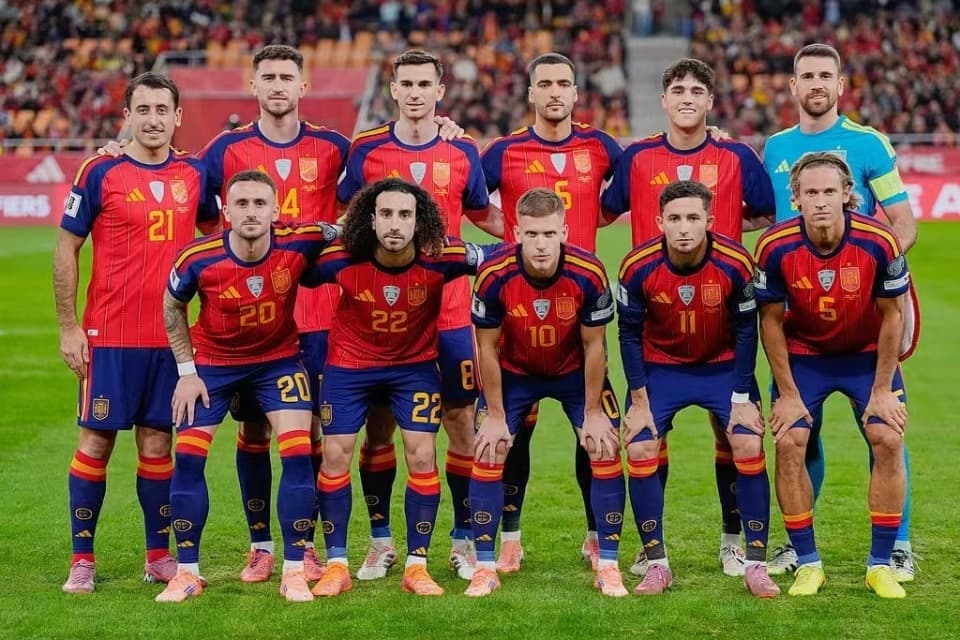
Opta's model — which simulates the tournament thousands of times factoring in squad strength, historical performance, and draw difficulty — gives Spain the edge at 16.1%. They're coming off a Euro 2024 title and their core is terrifyingly young and deep.
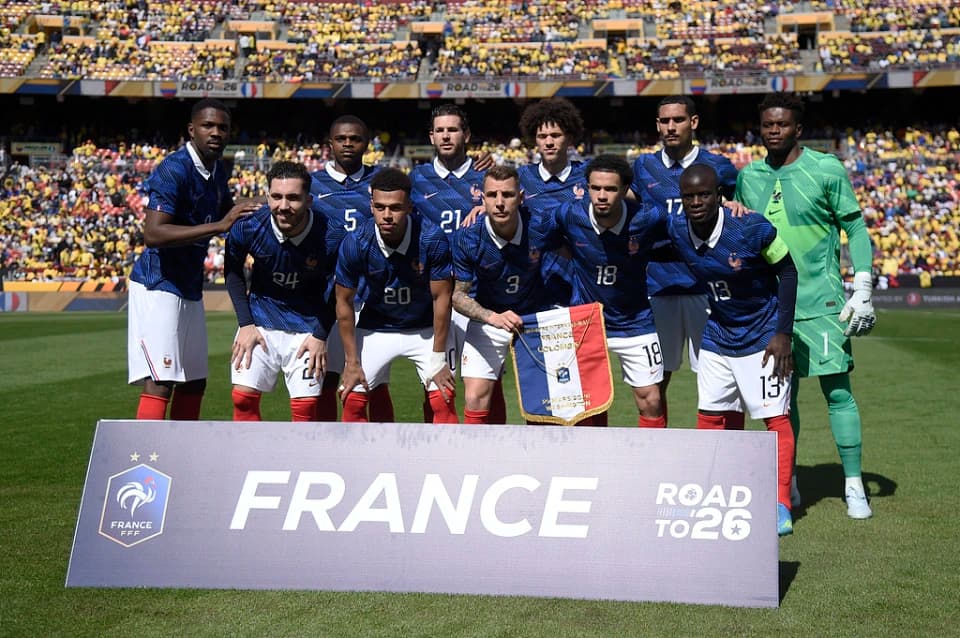
France, led by Mbappé, sits at 13.0%. England (11.2%), Argentina (10.4%), and Portugal (7.0%) round out the top five.
The Full Leaderboard: Who's Got a Shot
Rank
Team
Win Probability
1
🇪🇸 Spain
16.1%
2
🇫🇷 France
13.0%
3
🏴 England
11.2%
4
🇦🇷 Argentina
10.4%
5
🇵🇹 Portugal
7.0%
6
🇧🇷 Brazil
6.6%
7
🇩🇪 Germany
5.1%
8
🇳🇱 Netherlands
3.6%
9
🇳🇴 Norway
3.5%
10
🇧🇪 Belgium
2.4%
The Norway Factor
Here's the surprise: Norway at #9 with a 3.5% chance. Norway hasn't been to a World Cup since 1998 — but when you have Erling Haaland and Martin Ødegaard, the math changes.
Norway at 3.5% is either prophetic or we'll pretend we never saw it.
The Long Shots Worth Watching
Rank
Team
Probability
17
🇯🇵 Japan
1.2%
17
🇺🇸 United States
1.2%
26
🇰🇷 South Korea
0.4%
29
🇦🇺 Australia
0.3%
Japan and the US tied at 1.2% is interesting. The US has home-field advantage across multiple venues. Japan has been quietly building one of the most technically disciplined squads in the tournament.
The 0% Club: Five Teams With No Shot
Five nations got the coldest number possible: 0.0%.
🇨🇩 DR Congo | 🇨🇻 Cape Verde | 🇶🇦 Qatar | 🇭🇹 Haiti | 🇨🇼 Curaçao
For Qatar, this is particularly rough — the only 2022 host nation in the 0% club.
To be fair, Leicester City had 5000-to-1 odds in 2016. Zero percent is just a number.
Why Predictions Are Fun — and Mostly Wrong
Spain at 16.1% means there's an 83.9% chance they don't win. Somebody outside the top 5 almost always makes a deep run.
The supercomputer says Spain. Football says: "We'll see about that."
Frequently Asked Questions
Who does Opta predict to win World Cup 2026?
Opta's model gives Spain the highest win probability at 16.1%, followed by France (13.0%), England (11.2%), Argentina (10.4%), and Portugal (7.0%).
Which teams have 0% chance to win the 2026 World Cup according to Opta?
Opta listed DR Congo, Cape Verde, Qatar, Haiti, and Curaçao at 0.0% modeled win probability — meaning the simulation rounds effectively zero trophy odds for those nations.
What are the USA's chances of winning World Cup 2026?
The United States is tied with Japan at 1.2% in Opta's published leaderboard, reflecting home advantage offset by a deep 48-team knockout path.
Why is Norway ranked so high in World Cup predictions?
Norway at 3.5% (9th overall) reflects star power from Erling Haaland and Martin Ødegaard in a model that weights elite individuals heavily — despite Norway not appearing at a World Cup since 1998.
Are World Cup prediction models accurate?
Models like Opta's are sophisticated but history shows upsets — Morocco 2022, Germany's 2018 group exit, Leicester 2016 — that raw probability tables miss. Spain at 16.1% still means an 83.9% chance someone else wins.
Win probabilities based on Opta / reported simulation data ahead of World Cup 2026. Figures are model outputs, not guarantees.